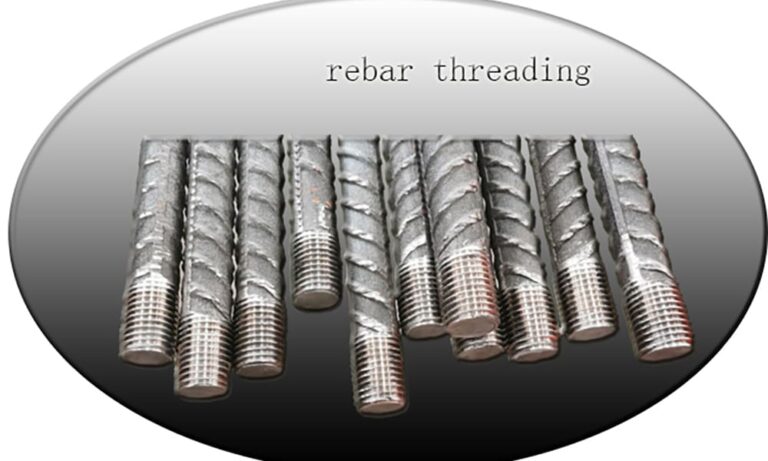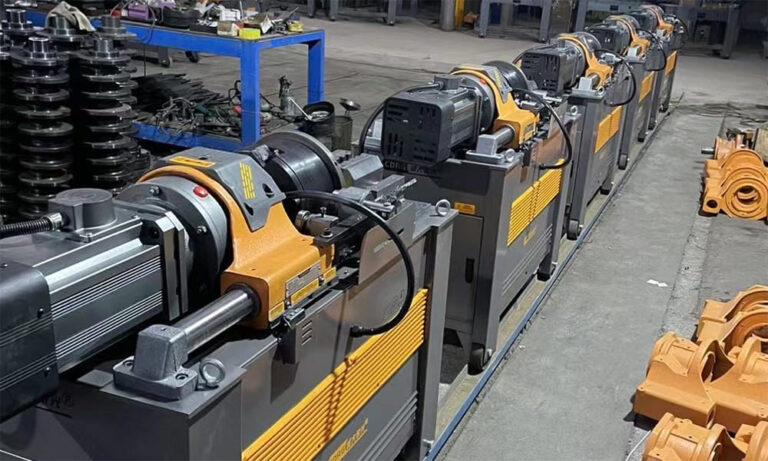
Straight Steel Rebar Thread Rolling Machine
To ensure the safe and efficient operation of Straight Steel Rebar Thread Rolling Machine, it is essential to follow these comprehensive procedures:
1. Straight Steel Rebar Thread Rolling Machine Worker Training and Certification
- Mandatory Training: All operators must complete technical training and pass a skill assessment before operating the machines.
- Fixed Personnel: Teams should consist of fixed personnel to maintain consistency and safety in operations.
2. Equipment Debugging and Testing
- Pre-Production Testing: Thoroughly debug and test the equipment before starting formal production.
- Function Confirmation: Production should commence only after all equipment has been confirmed to be functioning correctly.
3. Steel Bar Cutting
- End Face Preparation: Ensure the end face of the steel bar is perpendicular to its axis and free from imperfections (e.g., horseshoe shapes or arches).
- Straightening Requirement: If the end is not straight, straighten it before cutting.
4. Steel Bar Head Roughening
- Roughening Process: Roughen the steel bar head before threading.
- Machine Setup: Reset the roughening machine to zero before starting and ensure the steel bar is correctly inserted and tightened.
- Quality Control: Discard and re-roughen any unqualified roughened heads; avoid roughening the same head more than once.
5. Quality and Safety Checks
- Crack Inspection: Inspect the roughening section for any transverse cracks.
- Threading Method: Use appropriate threading methods and apply water-soluble cutting fluid.
- Cold Weather Precautions: In temperatures below 0°C, implement anti-freezing measures and avoid adding cutting fluid during thread processing.
6. Pre-Shift Equipment Check
- Operational Test: Before each shift, run the machine empty to check its condition.
- Condition Checks: Verify the normal rotation of the machine head, adequacy of cutting fluid, electrical switch sensitivity, screw tightness, and normal sounds from the motor and reducer.
7. Timely Maintenance
- Immediate Repairs: Address any equipment failures immediately; do not operate malfunctioning equipment.
- Dust-Free Maintenance: Perform maintenance on high-pressure oil pumps indoors in a dust-free environment to prevent contamination of the oil system.
8. Post-Shift Maintenance
- Cleaning Procedures: After each shift, clean iron filings from the pier head, fixtures, and molds.
- Fluid Replacement: Clean the machine head and table, replace cutting fluid as needed, and lubricate the guide rod and rotating parts.
9. Training and Authorized Personnel
- Authorized Operators: Only trained personnel are authorized to operate the equipment.
- Electrical Faults: Address electrical faults only by qualified electricians.
10. Personal Protective Equipment (PPE)
- Safety Gear: Operators must wear safety helmets on-site.
- Clothing Precautions: When operating threading machines, gloves are prohibited, and sleeves should be tightly secured with buttons fastened.
11. Compliance with Regulations
- Safety Management: Adhere to all safety management regulations and site-specific rules.
12. Regular Safety Education
- Safety Awareness: Project leaders should conduct regular safety education sessions to enhance safety awareness and inspect for potential hazards.